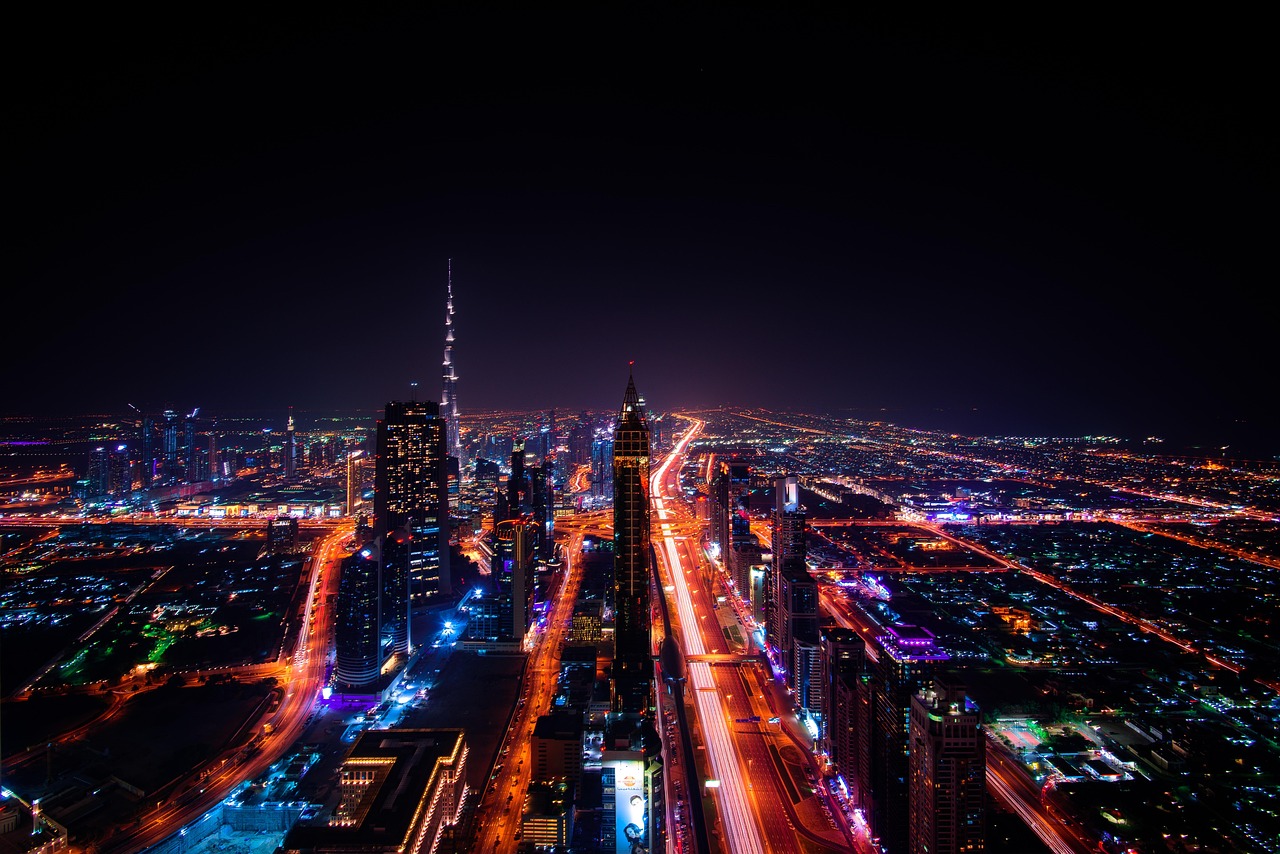
The modern city is built on the idea of being “always on.” Lights glow through the night, trucks deliver goods while the streets are quiet, and millions of night-shift workers keep economies running. Yet, while this 24/7 rhythm drives convenience and profit, it also hides a darker side.
Light pollution, overnight delivery emissions, and inequities faced by night-shift workers are quietly shaping the sustainability debate.
This blog explores what happens when cities refuse to sleep, how some are fighting back, and why we may need “nighttime mayors” to govern the dark hours of urban life.
The Hidden Costs of 24/7 Cities
Light Pollution: A Silent Energy Drain
Artificial light at night is growing by around 2% every year worldwide (NASA, Science Advances). While city skylines glowing into the night may look beautiful, the cost is enormous: heavy electricity consumption, disrupted ecosystems, and health issues for humans.
For wildlife, the glow of city lights disorients migrating birds, interrupts pollination cycles, and disturbs nocturnal species. For people, excessive light exposure at night disrupts circadian rhythms, leading to sleep disorders and higher risks of obesity and cardiovascular diseases. Urban sustainability needs to be encouraged.
Nighttime Logistics: The Cost of Convenience
Online shopping has trained consumers to expect next-day—or even same-night—delivery. Behind that convenience are trucks and vans moving through cities after dark.
Urban freight already accounts for 20–30% of traffic emissions in major cities (World Economic Forum). Night delivery may reduce daytime congestion, but it still contributes to greenhouse gas emissions, noise, and road wear. The explosion of food delivery platforms has added to the problem.
Night-Shift Worker Inequity
Globally, about 20% of the workforce engages in some form of night work. These workers—nurses, factory operators, drivers, call center staff—keep the urban machine running. But the price they pay is steep.
Research links chronic night-shift work to higher risks of cardiovascular disease, depression, and cancer. Beyond health, there’s a social cost: night workers often feel excluded from family and community life, trapped in a cycle.
Cities Fighting Back:
Tucson, Arizona – The Dark-Sky Capital
Tucson is a pioneer in protecting night skies. With its dark-sky ordinances, the city has replaced old streetlights with shielded, low-intensity LEDs, and set strict limits on outdoor lighting. The results are striking: reduced energy use, protection for wildlife, and views of the stars.
Berlin, Germany – Quiet Nights for Health
Berlin enforces strict nighttime noise curfews. From construction bans after 10 p.m. to regulated nightlife zones, the city prioritizes residents’ health over relentless activity. Studies show that chronic nighttime noise increases risks of hypertension and stress. Berlin’s policy proves that urban sustainability is a must.
Amsterdam, Netherlands – The World’s First “Nighttime Mayor”
Amsterdam appointed its first “Nighttime Mayor” in 2014, not as a symbolic role, but as a mediator between residents, businesses, and city authorities. While initially focused on managing nightlife, the role has evolved into balancing urban well-being with cultural vibrancy. Imagine if this role expanded into sustainability governance after dark.
Radical Innovations for Nighttime Sustainability
Bioluminescent Streetlights
What if the future of lighting wasn’t LED, but living light? In Paris and Rotterdam, pilot projects are experimenting with bioluminescent bacteria and algae that glow naturally.
These organisms emit a soft, bluish light that can be used in street furniture, signs, and low-level street lighting. Not bright enough to replace traditional streetlamps entirely, the potential is game-changing: energy-free lighting that redefines how we think of “illuminated cities.”
Lessons from the Arctic: Solar-Less Cities
How do cities function when the sun doesn’t rise for months? Arctic towns like Tromsø in Norway have long adapted to life without daylight.
Instead of flooding streets with artificial light, these communities rely on reflective paint on roads, strategic low-energy lighting, and strong community health programs to combat seasonal depression. The lesson is clear: it is possible to design cities that operate with minimal artificial light—if urban planners prioritize human health and creativity over endless illumination.
Do We Need “Nighttime Mayors” for Sustainability?
The idea of a nighttime mayor is no longer far-fetched. If Amsterdam could appoint one to manage nightlife, why shouldn’t global cities follow turn their attention?
A nighttime sustainability office could:
Regulate and reduce light pollution.
Enforce fair standards for night-shift workers.
Oversee nighttime delivery emissions.
Support pilot programs like bioluminescent lighting.
Redefining the Night
We often say cities “come alive at night.” But in truth, the costs of our nocturnal activity are mounting—in wasted energy, damaged ecosystems, and overlooked human suffering.
The good news: cities are already experimenting with solutions. From Tucson’s dark-sky protections to Berlin’s quiet hours, from glowing algae lamps to Arctic resilience, the blueprint is emerging.
The challenge now is to recognize nighttime as a critical sustainability frontier—one that demands data, innovation, and governance.