
Author

Climate action and sustainable living begin with access to clean water, the foundation of health, dignity, and resilience. Across Africa, communities are proving that ownership, smart technology, partnerships, education, and nature-based restoration create lasting solutions. From solar-powered boreholes in Kenya to water ATMs in Uganda and wetlands in Rwanda, these commitments show how water justice and climate action go hand in hand. The lessons carry relevance for India. Clean water is not charity; it is a human right, central to building a sustainable and resilient future.

Solar Pump in Kenya
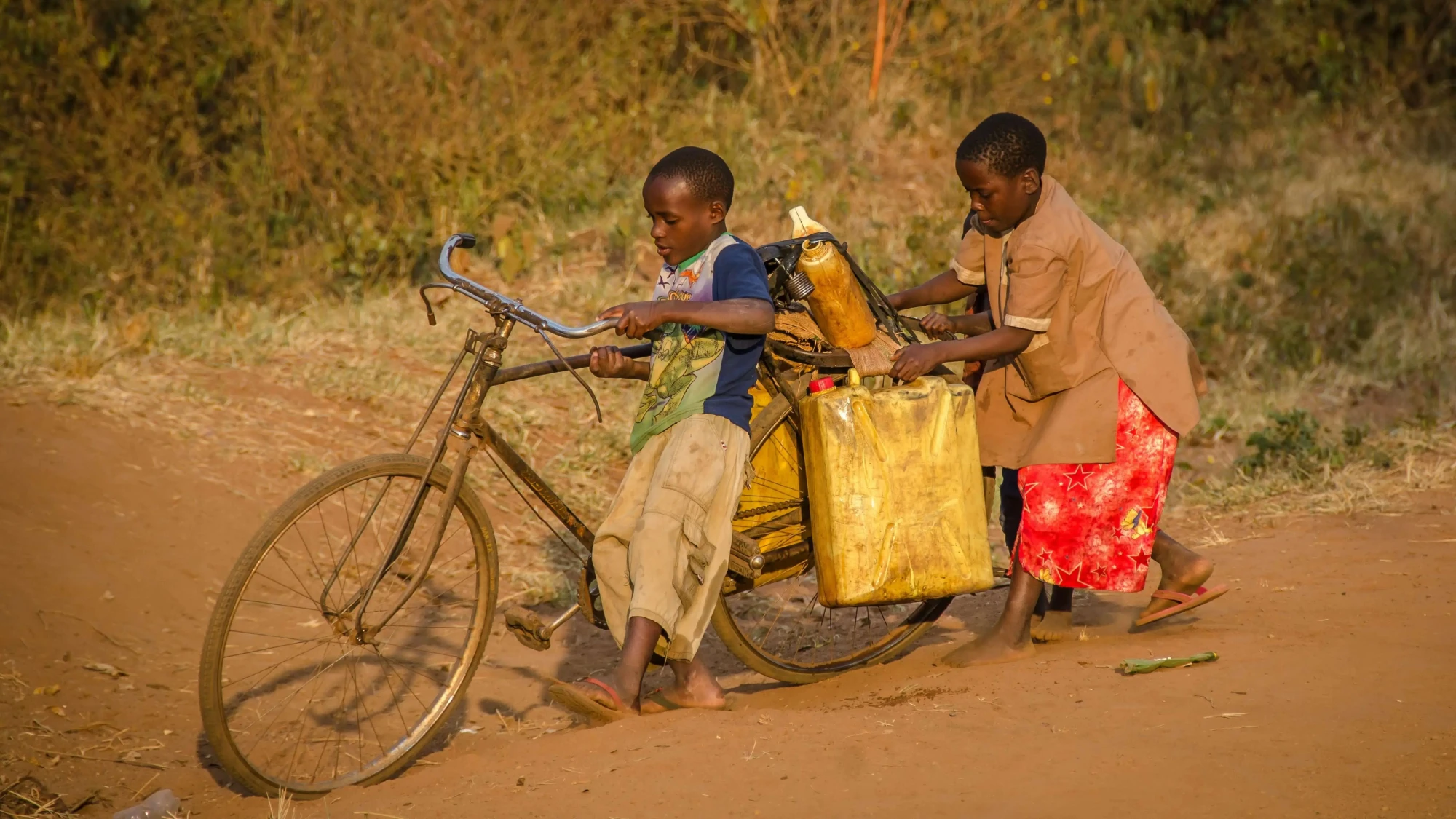
The first light of dawn spreads across Kitui, Kenya. Women gather with their yellow jerrycans, but the walk is no longer miles long. Instead of trekking dusty paths to a muddy river, they head to a solar-powered borehole at the edge of their village. Children splash water on their faces before school. The women collect a few coins from households to keep the system running.
“It feels like our own,” says Miriam, one of the committee leaders. “We don’t beg for water anymore, we run it ourselves.”
Stories of Kitui village matter because across Africa, nearly 400 million people still lack access to safe drinking water (UNICEF, 2025). The consequences are devastating: unsafe water and poor sanitation contribute to 400,000 child deaths every year in Sub-Saharan Africa (WHO, 2024).
Development experts often point out a harsh truth: four in ten rural water points in Africa fail within two years (World Bank, 2022). The reason is that the Projects that are sponsored from outside vanish quickly.
Kitui offers another way. Water is managed by women who collect tariffs, hire local mechanics, and set rules. According to WaterAid (2024), such systems cut waterborne diseases among children by over 90% in just three years. The real breakthrough isn’t the solar pump, it’s the ownership.
Technology Isn’t a Luxury; It’s Survival

In a Kampala neighbourhood, a crowd gathers around what looks like a vending machine. A mother swipes a prepaid smart card, and water flows into her container. The “Water ATM,” as locals call it, has changed everything. Families who once paid vendors extortionate prices now spend 70–80% less (Uganda Ministry of Water, 2024).
Technology is also getting smarter. At the 2025 African Water and Sanitation Congress, engineers demonstrated AI-driven tools that can predict when pumps are about to break. In villages where a single borehole is the difference between survival and thirst, that warning could save weeks of hardship.
Partnerships Move Mountains
In Ethiopia, half the rural handpumps once stood broken and abandoned (UNICEF Ethiopia, 2023). The turning point came when local councils, youth cooperatives, and NGOs pooled their resources. They trained young mechanics, created repair funds, and shared the responsibility. Today, many of those pumps are still running.
The African Development Bank (2024) notes that blended financing—where governments, communities, and private players share costs—has boosted water system functionality by a quarter in just three years.
Clean Water Keeps Girls in School

Rainwater harvesting in a school in Kampala, Uganda: Image from Pixabay
In rural Tanzania, teachers noticed something striking after installing rainwater tanks: girls were attending classes. Absenteeism dropped by nearly 30% (FAO & UNICEF, 2024).
The reason was simple. Without water, girls spent hours fetching it or stayed home during menstruation because schools lacked proper facilities. With tanks and taps, they could stay in class.
A UNESCO study (2023) found that access to school wash facilities raised girls’ completion rates by up to 20%. For these girls, a water tank isn’t just infrastructure, it’s a ticket to education.
Not all solutions are steel and concrete. In Rwanda, restoring the Nyabarongo wetlands reduced floods and improved water quality for 80,000 people (UN Environment, 2024). In Kenya’s Tana Basin, reforesting catchment areas improved water supply to Nairobi’s 9 million residents (The Nature Conservancy, 2023).
The African Development Bank warns that climate-driven water shocks already cost the continent 5% of its GDP each year (AfDB, 2025). Without protecting rivers, forests, and wetlands, new infrastructure will always be under threat.
India is on its own water journey. The Jal Jeevan Mission has expanded piped water to 70% of rural households as of 2025 (MoAFW, 2025), but millions are still left out. Groundwater depletion, arsenic in Bengal, and fluoride in Andhra remain serious threats.
From Kitui to Kampala, from Tanzania to Rwanda, the lesson is clear: clean water changes everything. It saves lives, keeps girls in school, strengthens communities, and protects ecosystems. They are steps toward the Sustainable Development Goals, especially SDG 6 (Clean Water and Sanitation), SDG 5 (Gender Equality), SDG 13 (Climate Action), and SDG 15 (Life on Land).
